Some things are life changing. And so it was for me with this Lemon Curd. Before, I had always made lemon curd on the stove. Hoping that I would not turn my egg-based lemon curd into scrambled eggs by being too impatient, my lemon curd had always been a nail-biting time. Then my friend Stephanie introduced me to a Vitamix version of lemon curd.
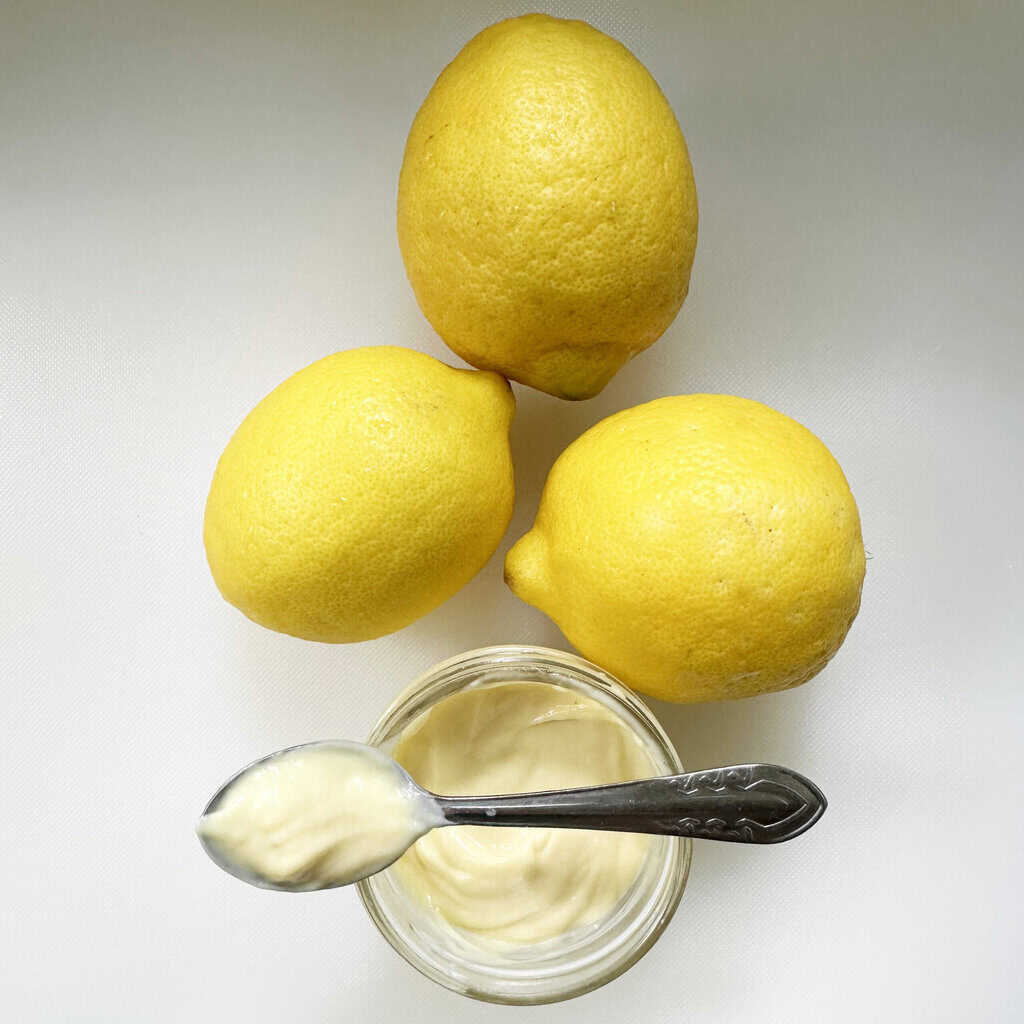
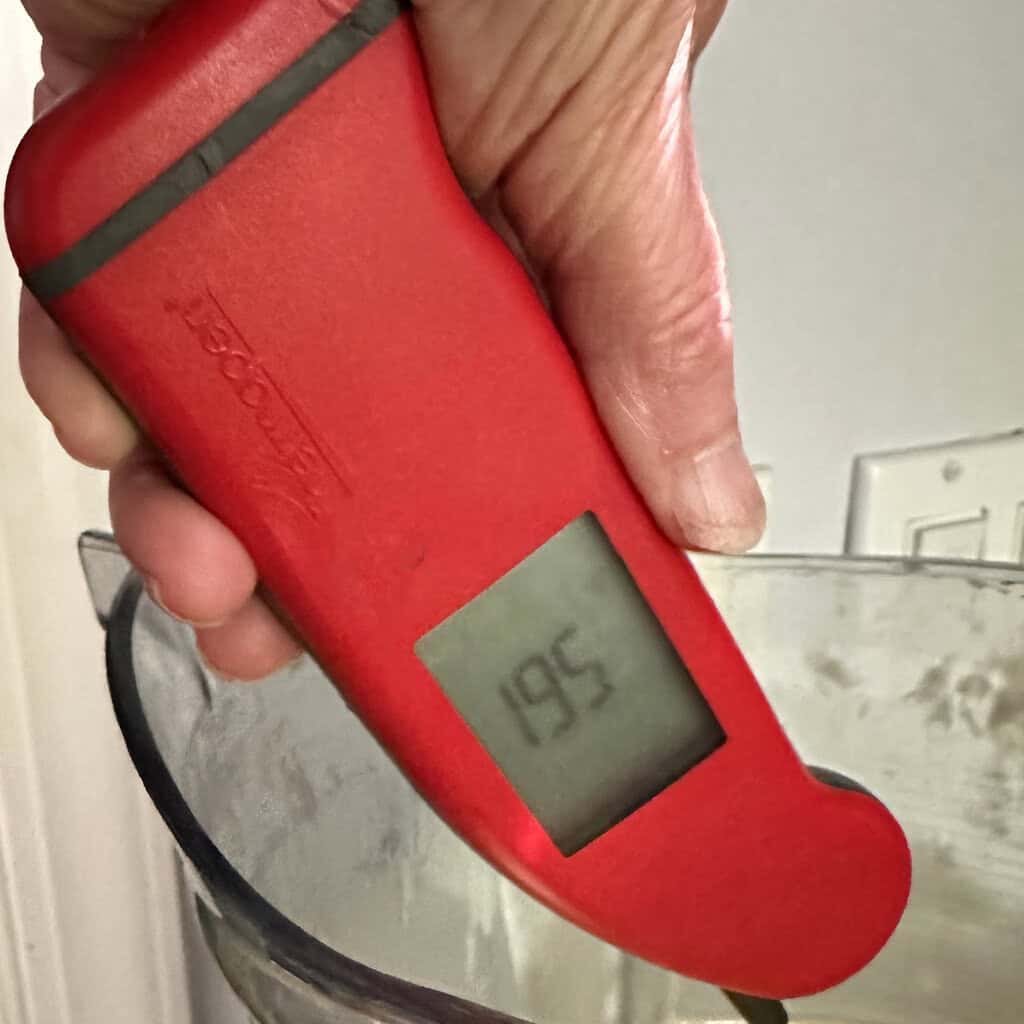
Being a food-safety nerd, I was dubious. But after checking to make sure that the lemon curd reached an appropriately high temperature without stovetop cooking (160 degrees F/71.1 degrees C according to both the USDA and the FDA) and trying out Stephanie’s recipe with my adaptations, I became convinced.
Tips for Making Curd
The main requirement here is a Vitamix blender or a similar one with a “soup setting.” I have a reconditioned Vitamix, which I bought from the company as a present for myself during Covid. Having now done research online, I understand that there are Vitamix competitors that also heat ingredients on a “soup setting.” Any blender that heats ingredients is fine for this recipe.
Stephanie used Meyer lemons – I did not. My lemons, were the “regular” type you can find in any grocery. If you are conscious of how fruits and vegetables are grown, this is a good recipe for organic fruit because you use both the inside and rind of the lemon.

Although you do not have to grate the rind, you should remove the pith, the white part inside, between the rind and the juice itself. Pith is bitter. Use whatever method suits you to remove it from the lemon. If you are persnickety, feel free to grate the lemon and then remove the pith. I did not do that. I simply cut the rind off in strips. Then I removed the pith and cut the lemons in sections.
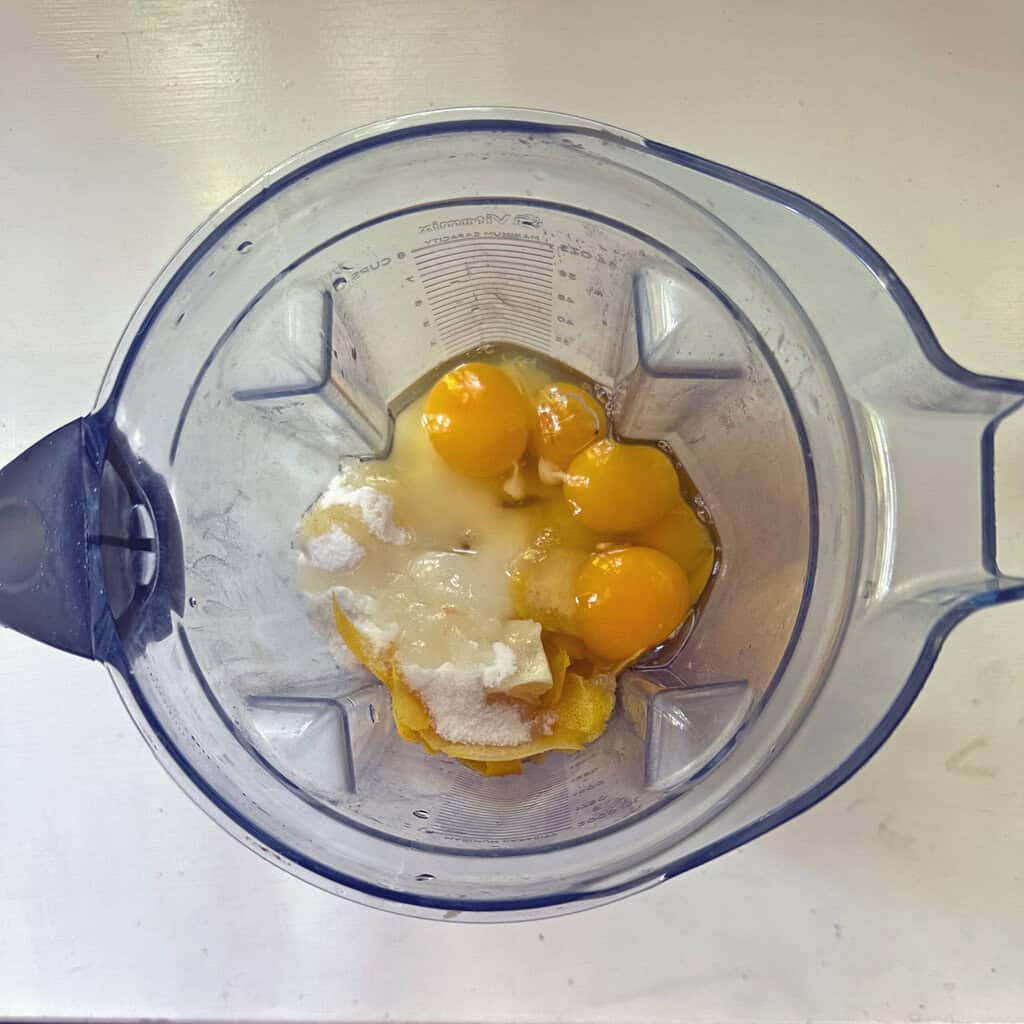
Keep the lemon curd blending for the time specified. Even though the lemon curd will be mixed sooner do not stop blending. It is important to keep blending and reach the safe temperature for the eggs.
How to Use Lemon Curd
Lemon curd Is a great dessert.
- I like to mix it with whipped cream for an easy lemon mousse. If you use this easy lemon curd recipe, you do not need pasteurized eggs, used in my “old” lemon mousse recipe. Layered with berries, this lemon mousse makes an elegant dessert.
- Or add it to a cracker crust for an easy lemon mousse tart. Whether you add ginger (as I do) or not, whether you use graham crackers or biscoff wafers or some other cookie, the result will be delicious.
- If you’re into simple, just put a dollop of lemon curd on fresh fruit, especially berries.


Lemon curd is also a great topping for brunch. Add it to toast, French toast (bread soaked in an egg mixture), or rusks.
Be creative. I’m sure you can find a new and scrumptious way to use this lemon curd once you taste it.


Simple and Easy Lemon Curd
Use a blender with a soup setting to make lemon curd in minutes. You won't need a stovetop, pot, or even a
Ingredients
- 4 lemons wash well, organic preferred, pith removed and cut into at least quarters
- 1/4 teaspoon kosher salt
- 1 cup granulated sugar (198 grams)
- 6 large eggs, room temperature
- 12 tablespoons unsalted butter (1 1/2 sticks), cut into 1-2 tablespoon chunks (170 grams)
Instructions
-
Add the lemons, salt, sugar, and eggs to bowl of a blender with a high speed setting. Blend, beginning slowly on a low speed. Then move up to variable 10 if a Vitamix blender or similar setting on another type of blender for 10 minutes.
-
Decrease the blender speed to 3 or 4 and add butter, 1 chunk at a time, until you have added all the butter. Increase blender speed back to 10 and blend for about 10 seconds. The curd should be hot and not very thick. A spoonful of curd should not drip off the bottom of the spoon.
-
Chill in the refrigerator before serving. When chilling the curd, cover the top with plastic wrap to prevent a skin from forming.
-
Freezes well if tightly wrapped.


Leave a Reply